These are the servers on which this websites and the other services are hosted.
The first device is a Synology DS223j NAS that is not featured in the photos because it’s in an other physical location, i use it to store my files, videos, photos and as a place to back up the other servers.
It has two hard drives, one 1TB and the other 4TB, configured in a RAID 1 array, but in the future I plan to replace the 1TB drive with a 4TB one so I can make full use of the storage space.
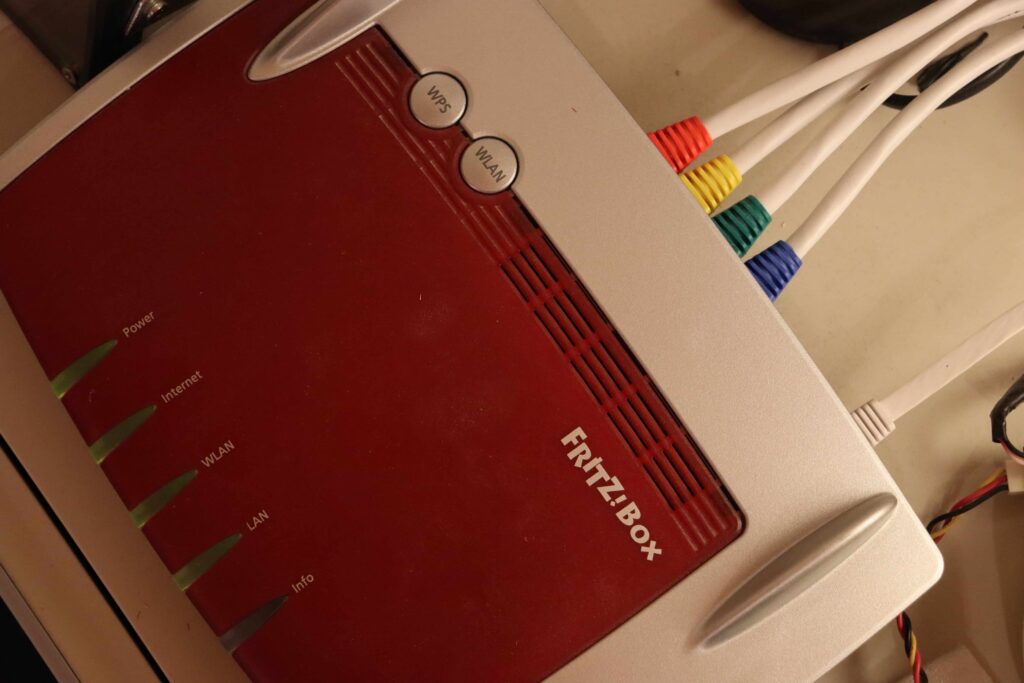
The second device is a FritzBox 4040, which, as part of the home mesh network, serves as both a Wi-Fi access point and a LAN switch for the entire home lab
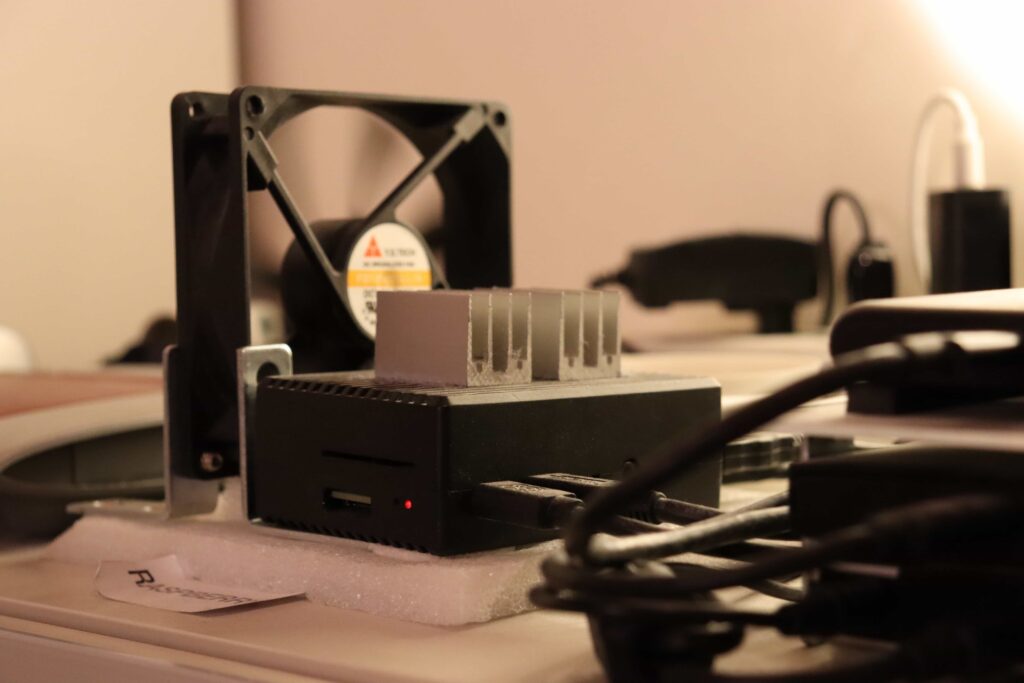
Next is a Raspberry Pi 4 with 4 GB of RAM and a 160 GB SSD running Home Assistant OS, The Raspberry Pi is actively cooled by an old fan removed from a NAS, which is controlled via a circuit made with a MOSFET connected to the Raspberry Pi’s GPIO pins and managed by Home Assistant. A Conbee III Zigbee dongle is also connected to the Raspberry Pi, which integrates seamlessly with ZHA.
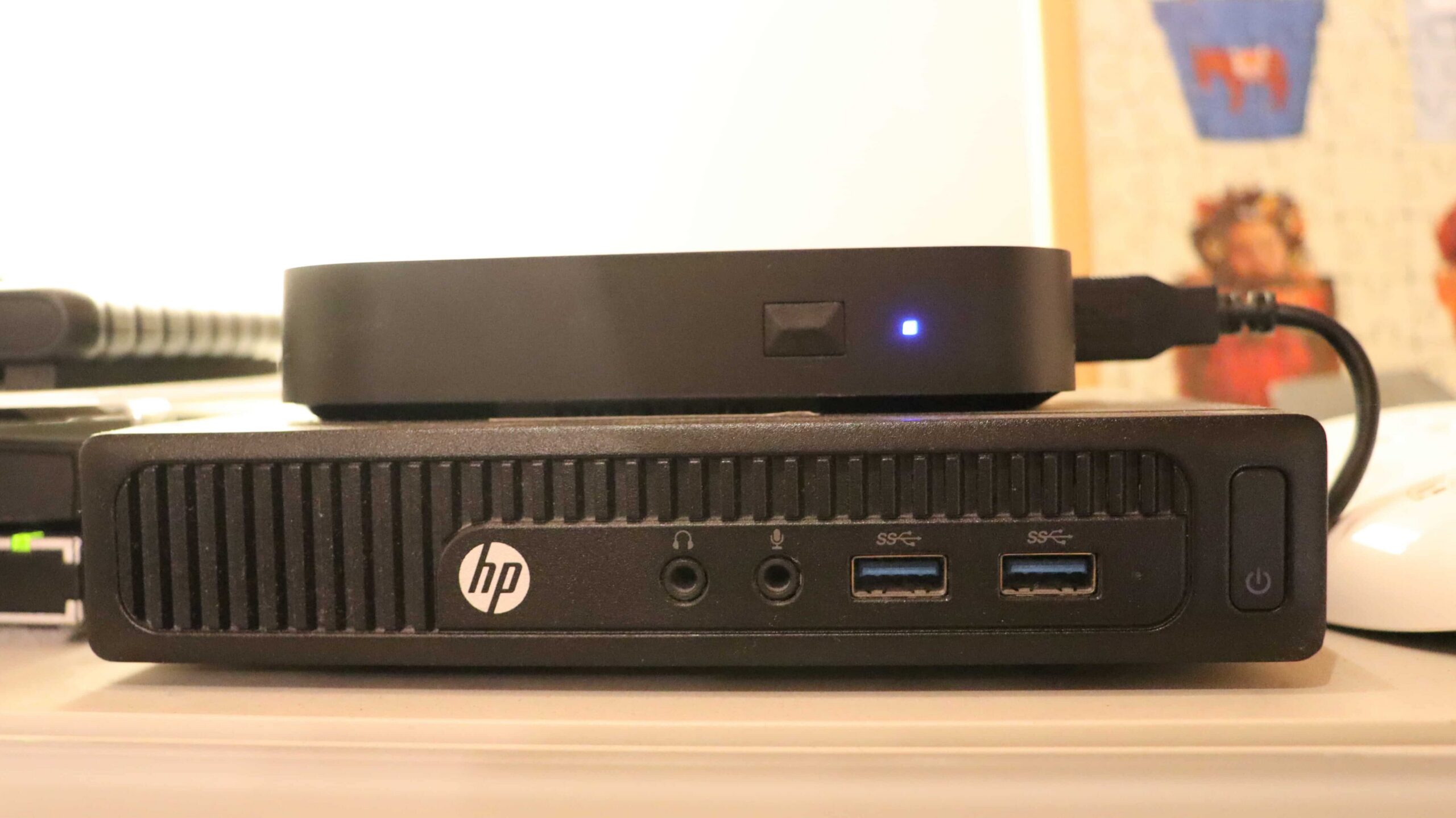
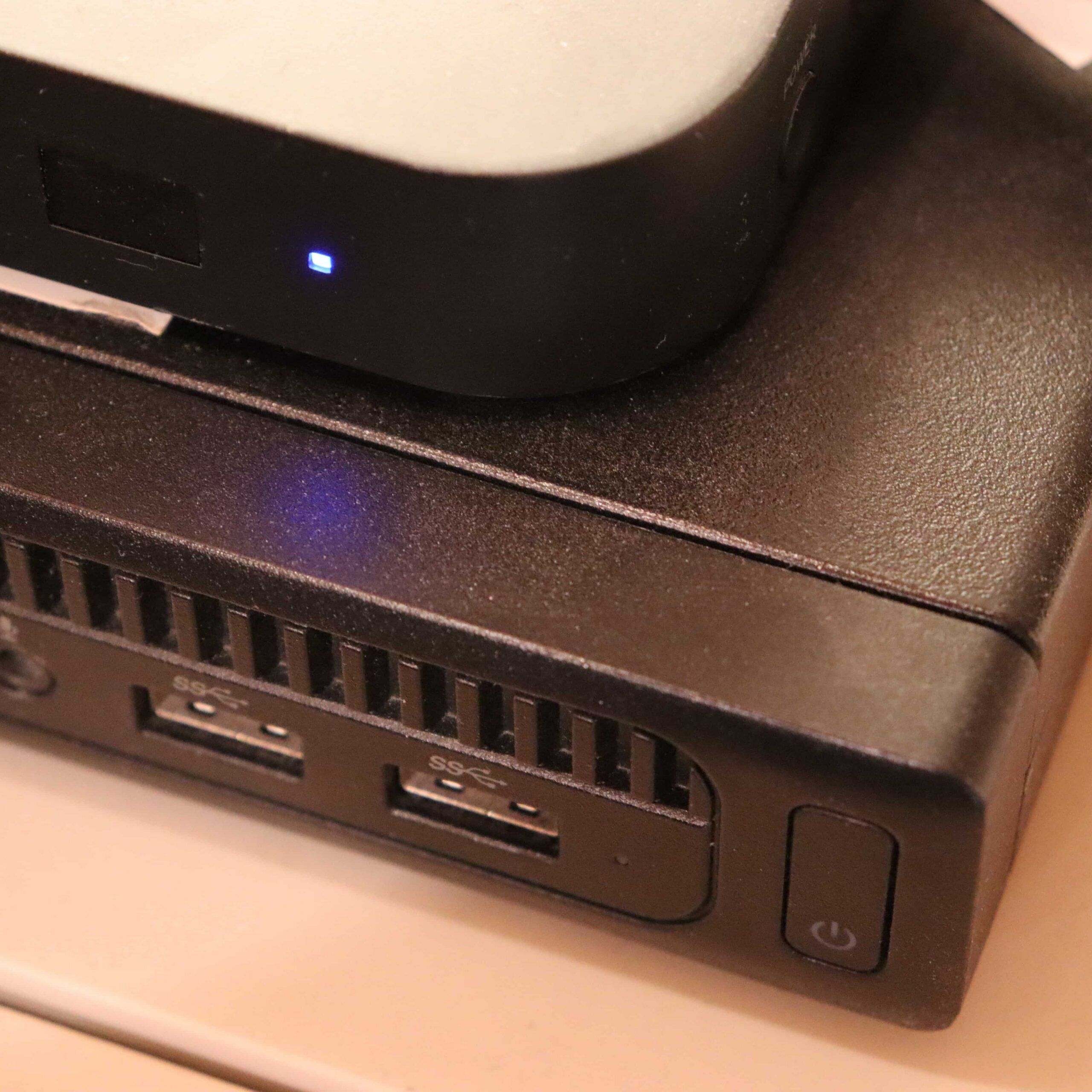
Then there are two other servers: the first one at the bottom is an HP 260 G2 DM Mini PC with an i3 6100U, 8GB of DDR4 RAM, and a 1TB SSD running Ubuntu Server, which is the main server hosting most of my services like Nextcloud, Vaultwarden, AdGuard, WordPress, Navidrome, and much more. Even though it’s not super powerful, it still manages the entire load very well. Then, above that, there’s an old Minix Neo U1 on which I’ve installed Armbian OS, and running on it are Uptime Kuma and Gotify, which monitor the entire network and send me notifications in case of problems. They’re accessible via a reverse proxy independent of the main server, so I can still reach them even if the main server goes down.
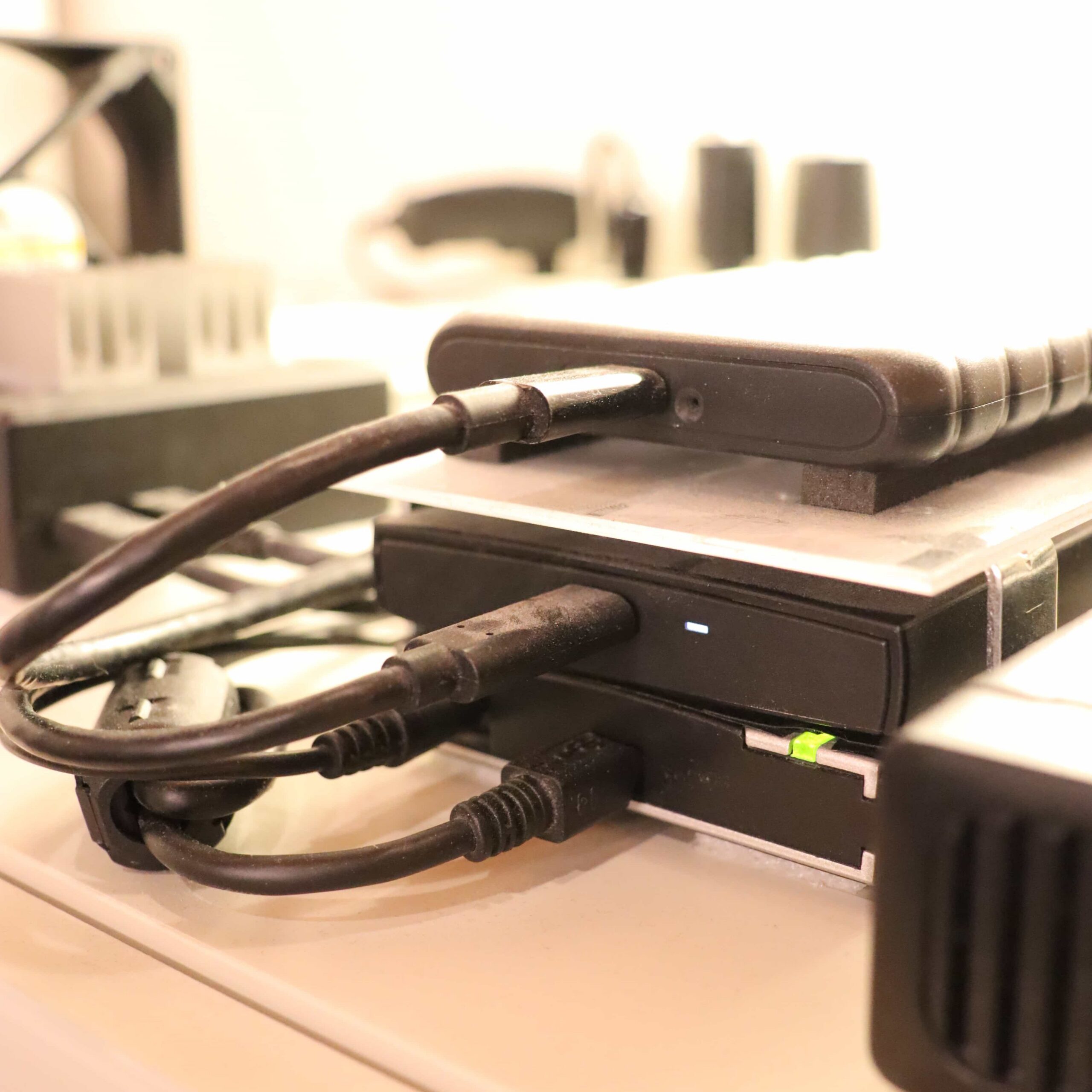
In addition to these two servers, there is a stack of disks, including the Home Assistant boot SSD and the other two used to back up the Docker volumes for the Minix and HP systems.
This is a dashboard for the HP server created with dashdot.
For remote access I use a combination of Cloudflare tunnels and port forwarding, depending on the service I want to expose. In addition, I also have two VPNs: Tailscale and WireGuard, which I use to access all the other devices on the network.
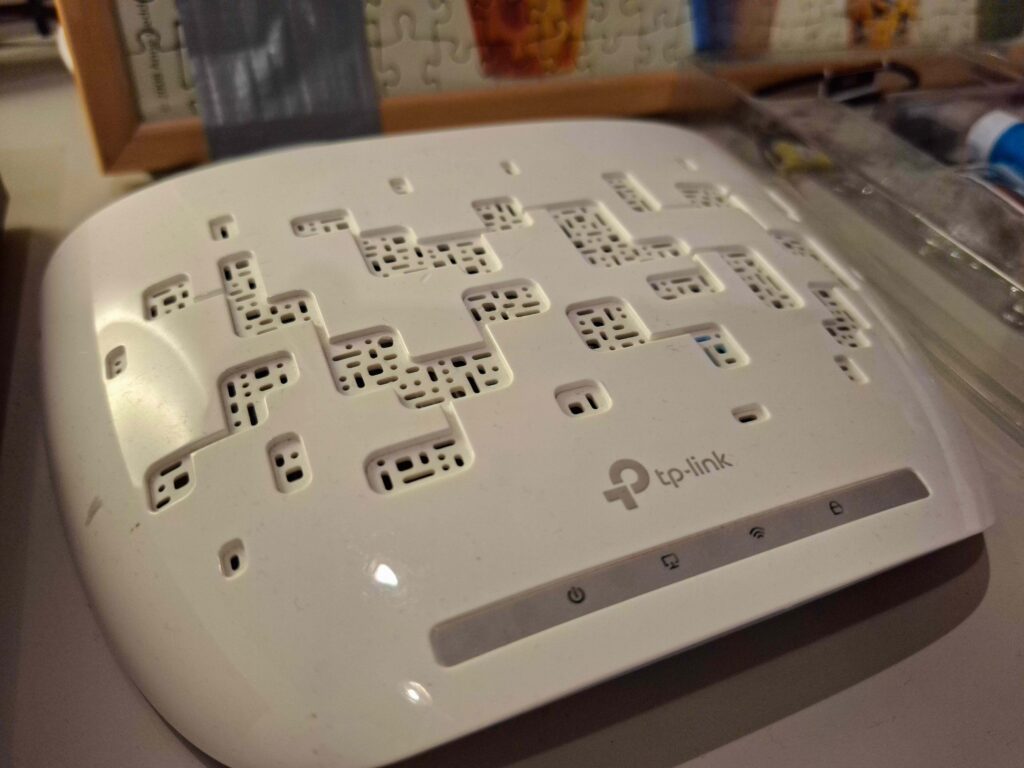
I also have a Fingbox that’s not in its original case, which I use to monitor all the devices on the local network and receive notifications about various events, since I don’t really like how device management works in the FritzBox interface
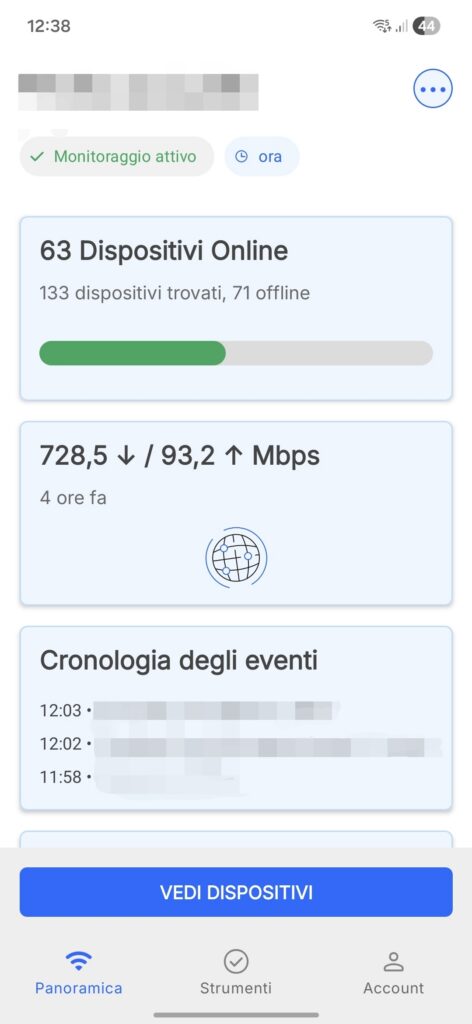
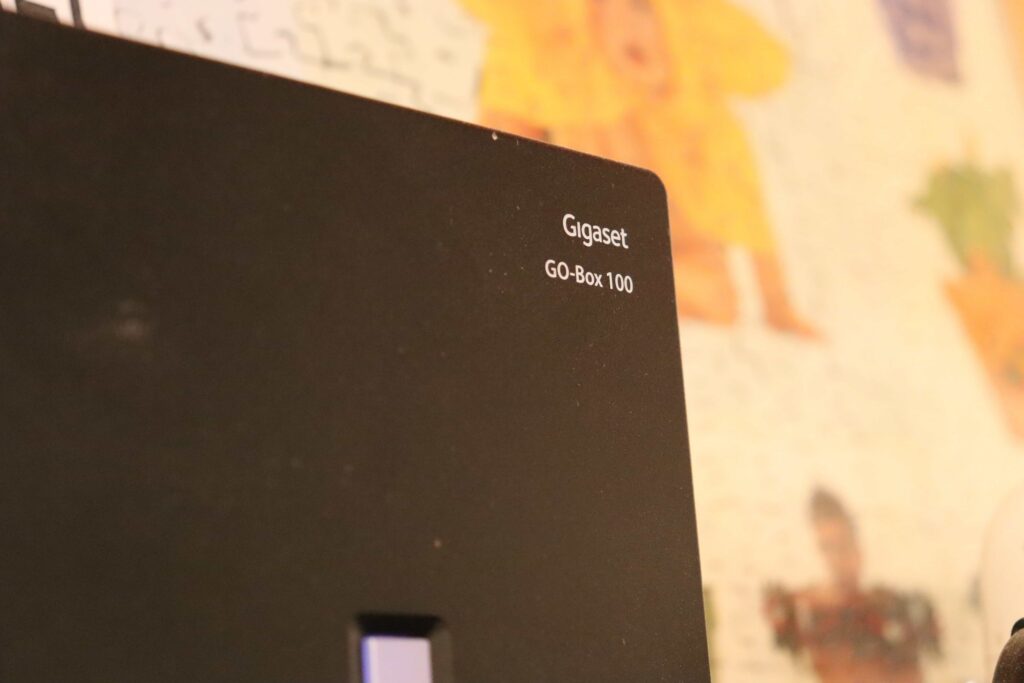
In addition to the Fingbox, there’s also a VoIP Gigaset DECT base station for cordless phones, about which there isn’t much to say
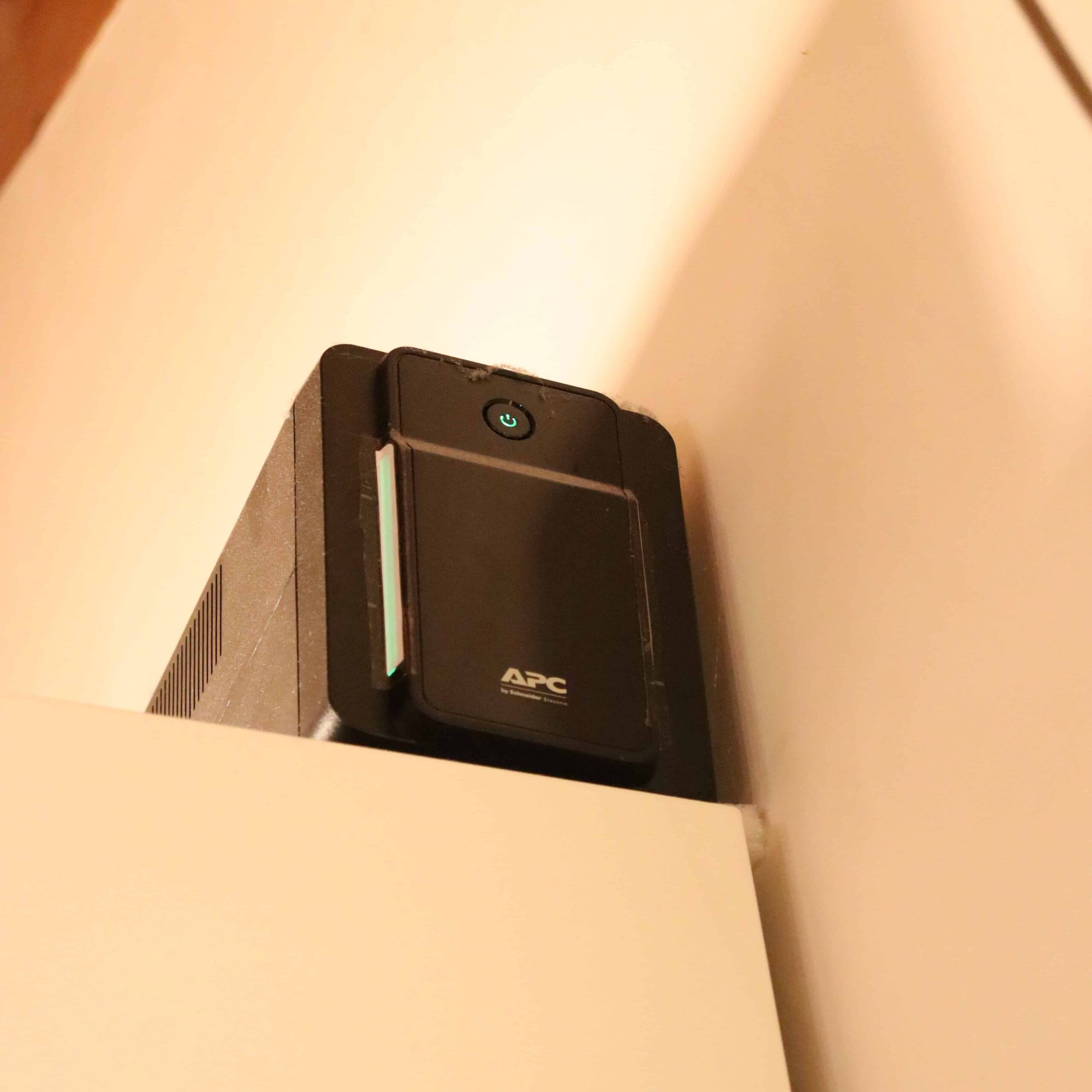
Last but not least is the UPS, a 410W APC BackUPS 750, which can keep all the servers running for one hour but which I’ve limited via software to 45 minutes to conserve battery life and allow all the servers to shut down safely via NUT addon.